WBMA

What Is Neuromodulation Therapy for Mental Health?

neuromodulation therapy
Table of Contents

Your diagnosis is clear. Your psychiatrist is thorough. You've tried medication after medication, stayed consistent with therapy, and done everything you were asked to do. Yet the symptoms remain — depression that won't lift, anxiety that won't quiet down, or a pattern of partial response that leaves daily life harder than it should be.

If this sounds familiar, neuromodulation therapy may be worth understanding. This category of brain-based treatments targets neural circuits directly connected to mood, cognition, and emotional regulation — rather than relying on systemic medication alone. At Washington Behavioral Medicine Associates (WBMA), our team offers multiple forms of neuromodulation under one roof, including TMS therapy, ketamine, Spravato, and neurofeedback.

This page explains what neuromodulation therapy is, how each treatment works, who may be a good fit, what the FDA and research say, and what patients can expect from the process at WBMA.

What Is Neuromodulation Therapy?

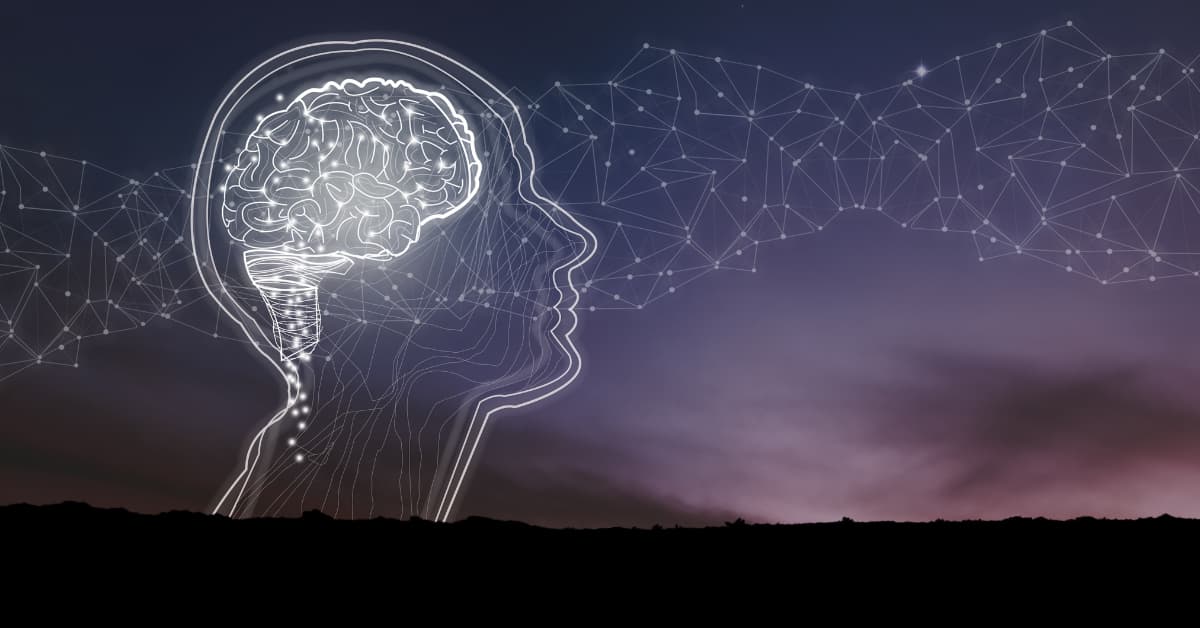
Neuromodulation therapy refers to any clinical intervention that uses targeted stimulation — electrical, magnetic, pharmaceutical, or bioelectrical — to alter activity in specific brain circuits or neural pathways. The goal is to normalize patterns of brain communication that may be contributing to psychiatric symptoms.

The term covers a range of approaches: non-invasive brain stimulation methods like TMS, pharmacological interventions like ketamine and Spravato, and brain training techniques like neurofeedback. What these treatments share is a focus on changing how the brain processes information, rather than simply adjusting neurotransmitter levels across the entire system through oral medication.

In mental health care, brain stimulation therapy and related neuromodulation approaches are most often considered when standard treatment has produced limited results — particularly for treatment-resistant depression, but also for OCD, anxiety disorders, and PTSD. At WBMA, the focus is on mental health applications specifically, not pain management or neurological device implantation.

How Neuromodulation Works for Mental Health Conditions

Mental health conditions involve disrupted communication patterns across specific brain networks. Depression, for example, has been associated with altered activity in circuits connecting the prefrontal cortex, limbic system, and subcortical regions involved in mood and reward processing. Anxiety disorders show similar circuit-level patterns.

Medications can influence neurotransmitter availability across the entire brain — which is useful but sometimes insufficient, particularly for patients whose symptoms involve more localized circuit dysfunction. Neuromodulation treatments take a different approach by working at the circuit level more directly.

Depending on the modality, this may involve:

TMS

Magnetic pulses delivered to the scalp that stimulate or modulate specific cortical regions

Ketamine & Spravato

A pharmaceutical agent that rapidly modulates glutamate signaling and may promote changes in synaptic plasticity

Neurofeedback

Real-time brainwave feedback that allows a patient to learn to self-regulate neural activity patterns over time

This is part of why neuromodulation may matter for patients with treatment-resistant symptoms. When brain circuits have not responded adequately to standard medication, working at the circuit level may offer a different or additional pathway toward improvement. It is also worth noting that neuromodulation at WBMA is rarely used in isolation — these treatments are typically integrated into a broader clinical plan that may include psychiatry, therapy, and medication management working in coordination.


Neuromodulation Therapy Options at WBMA

WBMA offers four primary neuromodulation approaches for mental health. Each works differently, fits different patient profiles, and carries its own evidence base, safety profile, and FDA status.

TMS Therapy
FDA-Cleared

Transcranial magnetic stimulation (TMS) uses a magnetic coil positioned near the scalp to deliver focused pulses to regions of the brain associated with mood regulation. Sessions are outpatient and non-invasive — patients sit in a reclining chair, remain awake, and return to normal activities immediately after treatment. No anesthesia or recovery time is required.

TMS is most commonly used for major depressive disorder (MDD) in patients who have not responded adequately to antidepressant medications. Certain TMS systems have also received FDA clearance for obsessive-compulsive disorder and anxious depression, depending on the device and protocol. Treatment typically involves daily sessions over four to six weeks.

The most commonly reported side effects are mild scalp discomfort and temporary headache, which tend to diminish as treatment progresses. Serious adverse events are uncommon when patients are properly screened.

Ketamine Therapy
Off-Label Use

Ketamine acts on the glutamate system — specifically the NMDA receptor — producing rapid changes in synaptic function that are distinct from traditional antidepressants. Many patients report symptom improvement within hours to days of a treatment session, a timeline notably faster than what most antidepressants offer.

At WBMA, ketamine is used in supervised clinical settings for patients with treatment-resistant depression and severe depressive episodes where rapid symptom relief may be clinically appropriate. Candidacy is assessed through a thorough psychiatric evaluation.

It is important to understand that the use of IV or IM ketamine in psychiatry is considered off-label — meaning this application has not received a specific FDA drug approval for psychiatric indications. The clinical evidence supporting its use in treatment-resistant depression is substantial, but patients should understand this regulatory distinction before proceeding.

Spravato (Esketamine)
FDA-Approved

Spravato is the brand name for esketamine, a nasal spray developed specifically for psychiatric use. Unlike IV ketamine, Spravato has received formal FDA approval — for treatment-resistant depression in adults (2019) and for major depressive disorder with acute suicidal ideation or behavior in adults (2020).

Because Spravato may produce transient dissociation and sedation, it is administered exclusively in a certified healthcare setting under direct supervision. Patients cannot take it home. Sessions require patients to remain on-site for a monitoring period following administration, in accordance with the FDA's REMS (Risk Evaluation and Mitigation Strategy) program.

Spravato offers a regulated, FDA-approved pathway for patients who may benefit from esketamine's mechanism of action. For patients who are candidates, this distinction in regulatory status can matter for insurance coverage and clinical decision-making.

Neurofeedback
Device Cleared

Neurofeedback is a non-invasive brain training approach in which patients receive real-time feedback on their own brainwave activity, typically through EEG monitoring. Over multiple sessions, this feedback process may support patients in learning to regulate neural patterns associated with anxiety, attention difficulties, and stress reactivity.

Neurofeedback differs meaningfully from TMS and ketamine — it delivers no external stimulation to the brain and introduces no pharmacological agent. It works through a learning and self-regulation process. Sessions are comfortable and generally well-tolerated, with no systemic side effects.

At WBMA, neurofeedback is used as part of broader clinical plans and may be appropriate for patients managing anxiety, ADHD-related difficulties, or stress-related symptoms where a non-pharmacological brain-based approach is preferred.


Neuromodulation Therapy at a Glance

The table below summarizes key characteristics of each neuromodulation option available at WBMA. This is intended as a general reference — clinical details vary by patient, diagnosis, and individual treatment plan.

Treatment Best Fit FDA Status Typical Course Common Side Effects Insurance Notes Learn More
TMS Therapy Treatment-resistant depression, OCD, anxious depression FDA-cleared for MDD and OCD (device and protocol dependent) Daily sessions, 4–6 weeks Mild scalp discomfort, temporary headache Often covered for treatment-resistant depression; verify with insurer TMS therapy at WBMA
Ketamine Therapy Treatment-resistant depression, severe depressive episodes Off-label psychiatric use (ketamine is FDA-approved as an anesthetic) Series of infusions; maintenance varies Transient dissociation, dizziness during session Typically not covered by insurance; out-of-pocket cost Ketamine therapy in DC
Spravato (Esketamine) Treatment-resistant depression; MDD with acute suicidal ideation or behavior FDA-approved for TRD (2019) and MDD with ASIB (2020) Twice weekly for 4 weeks, then tapered per protocol Dissociation, sedation, nausea (monitored in-clinic) Insurance coverage possible with prior authorization Spravato and ketamine benefits
Neurofeedback Anxiety, ADHD-related difficulties, stress regulation Biofeedback devices FDA-cleared (Class II); not cleared for specific psychiatric diagnoses Multiple sessions over weeks to months Occasional fatigue; generally well-tolerated Coverage varies by plan; verify benefits Neurofeedback at WBMA

Who Is a Good Candidate for Neuromodulation Therapy?

There is no single profile that applies across all neuromodulation treatments, because each modality has its own candidacy criteria. That said, patients evaluated for these options generally share some common characteristics.

You may be a reasonable candidate for neuromodulation evaluation if you:

  • Have not responded adequately to multiple antidepressant medications or other standard treatments for depression, anxiety, or OCD
  • Experience significant side effects from psychiatric medications that limit your ability to tolerate effective doses
  • Have a diagnosis of treatment-resistant depression — typically meaning insufficient response to two or more adequate trials of antidepressant treatment
  • Are managing OCD, PTSD, or anxiety disorders where standard interventions have produced partial or limited improvement
  • Are seeking an evidence-based option that does not rely primarily on oral medication
  • Are experiencing a severe or acute depressive episode where the faster onset of certain treatments may be clinically relevant

Candidacy also depends on medical history, current medications, and the specific treatment under consideration. TMS candidacy, for example, involves a review of any metal implants in or near the head and seizure history. Ketamine and Spravato candidacy requires a careful psychiatric and medical evaluation given their pharmacological mechanisms and supervision requirements.

The best way to determine whether any of these options may be appropriate for you is through a psychiatric consultation with a clinician who specializes in interventional psychiatry. At WBMA, the clinical team evaluates each patient individually and discusses treatment paths based on your specific history, diagnosis, and goals.


Is Neuromodulation Safe and Does It Work?

These are the two questions patients ask most often — and both deserve a direct, honest answer.

On Safety

Each modality has its own profile, and none is universally appropriate. TMS is non-invasive and widely considered to have a favorable safety record for appropriately selected patients, with most side effects being mild and temporary. Ketamine and Spravato produce transient dissociative effects during administration, which is why both are delivered in supervised clinical environments with monitoring in place. Neurofeedback carries minimal physical risk for most patients given its non-invasive, non-pharmacological nature.

Safety in all cases depends on proper patient selection, thorough medical evaluation, and appropriate clinical oversight. WBMA does not offer these treatments outside a structured, supervised care model, and candidacy review is part of the process for every patient.

On Effectiveness

Results vary by treatment and patient. Clinical research supports meaningful rates of response for properly selected patients — but outcomes are not uniform, and no treatment produces the same result in every person.

  • TMS for depression: Published clinical trials and real-world data report significant symptom reduction in a meaningful proportion of patients, with some achieving remission. The American Psychiatric Association recognizes TMS as a treatment option for MDD.
  • Ketamine and Spravato for treatment-resistant depression: Studies report that many patients experience rapid and substantial symptom improvement. Durability of response varies, and maintenance protocols are often discussed in clinical planning.
  • Neurofeedback: Research on neurofeedback for anxiety, attention, and stress-related symptoms continues to develop. While some studies report benefit, the overall evidence base is less established than for TMS or Spravato. Patients should have accurate expectations about the current state of the research.

For patients who have not responded to standard care, these treatments represent evidence-based options worth a clinical conversation. Whether a specific treatment is appropriate for your situation — and what realistic expectations look like — is a question best answered in consultation with a psychiatrist who specializes in these approaches.


FDA Approval and Evidence Base

Understanding the regulatory status of these treatments matters for informed consent, insurance planning, and realistic expectation-setting.

FDA-Cleared
TMS Therapy

Transcranial magnetic stimulation devices are regulated by the U.S. Food and Drug Administration as Class II medical devices, requiring 510(k) clearance before commercial use. Multiple TMS systems have received FDA clearance for major depressive disorder in adults. Certain systems have additionally been cleared for obsessive-compulsive disorder and, depending on the device and protocol, for anxious depression. The FDA clears medical devices through the 510(k) pathway rather than approving them as it does pharmaceutical drugs — clearance is the applicable regulatory standard. The specific indications for which a device is cleared depend on the manufacturer and system; not all TMS devices share the same clearance profile.

FDA-Approved
Spravato

Spravato received FDA approval on March 5, 2019, as the first nasal-spray treatment specifically approved for treatment-resistant depression in adults. In August 2020, the FDA expanded its approval to include major depressive disorder with acute suicidal ideation or behavior in adults. Spravato is approved only for administration in certified healthcare settings under supervision, in accordance with a REMS (Risk Evaluation and Mitigation Strategy) program. It is not available for home use.

Off-Label
Ketamine (IV/IM)

Ketamine is an FDA-approved anesthetic medication. Its use in treating depression and related psychiatric conditions is off-label — it is applied in clinical practice based on substantial research evidence, but does not carry a specific FDA drug approval for psychiatric indications. This does not diminish the clinical research supporting its use, but patients should understand this regulatory distinction before starting treatment.

Device Cleared
Neurofeedback

Biofeedback and EEG devices used in neurofeedback practice are regulated as Class II medical devices and may carry FDA clearance as general biofeedback devices. Neurofeedback devices are not specifically FDA-cleared for the treatment of psychiatric diagnoses. The research literature on neurofeedback for anxiety, ADHD-related symptoms, and stress continues to develop, and patients should approach this modality with accurate expectations about where the current evidence stands.


What to Expect From Treatment at WBMA

Starting neuromodulation treatment at WBMA follows a structured clinical process designed to match each patient with the right option and monitor progress throughout.

  1. 1
    Psychiatric evaluation All neuromodulation at WBMA begins with a thorough psychiatric evaluation. Dr. Laje or another WBMA clinician reviews your diagnostic history, medication history, prior treatment response, and current symptoms.
  2. 2
    Candidacy review Based on your evaluation, the team discusses which neuromodulation approach — if any — is appropriate for your situation. Not every patient is a candidate for every treatment, and that review is done honestly.
  3. 3
    Treatment planning Once a treatment path is identified, the team walks you through the specific protocol — what to expect during sessions, how often you'll come in, what monitoring is involved, and how progress will be assessed.
  4. 4
    Treatment course Depending on the modality, treatment may involve daily outpatient sessions over several weeks (TMS), supervised in-clinic sessions on a defined schedule (Spravato or ketamine), or regular sessions over a longer timeframe (neurofeedback).
  5. 5
    Monitoring and follow-up WBMA tracks your response throughout treatment. Adjustments can be made based on how you're responding. After a treatment course, the team discusses maintenance options and any continued care that may support your progress.

Because WBMA offers psychiatry, therapy, and neuromodulation together, your treatment plan can draw from multiple disciplines simultaneously. Many patients benefit from having neuromodulation supported by ongoing psychiatric care or therapy at the same practice — reducing the need to coordinate across multiple providers.


Cost and Insurance Coverage

Insurance coverage for neuromodulation treatments varies considerably by treatment type, diagnosis, insurance plan, and clinical history. Here is a general overview — patients should always verify specifics directly with their insurer before starting any treatment.

TMS Therapy
Often Covered

Often covered for treatment-resistant depression when prior authorization criteria are met. Coverage typically requires documentation of failed antidepressant trials. Coverage for other TMS indications varies by plan.

Spravato
Prior Auth Req.

May be covered under some commercial insurance plans and Medicare given its FDA-approved status. Prior authorization is typically required, and coverage often depends on diagnosis, treatment history, and the certified clinical setting where it's administered.

IV Ketamine
Not Covered

Generally not covered by insurance due to its off-label status for psychiatric indications. Patients typically pay out-of-pocket, though some practices offer financing options.

Neurofeedback
Varies

Coverage varies widely by plan. Some plans cover biofeedback services; others do not. Verification of benefits before starting treatment is strongly recommended.

Exact eligibility depends on your specific diagnosis, plan, clinical history, and whether your insurer's medical necessity criteria are satisfied. WBMA can help you understand the authorization process and what documentation may be needed to pursue coverage. Contact our team to discuss insurance and getting started.

Schedule a Neuromodulation Consultation at WBMA

If standard treatments have not produced the results you were hoping for, neuromodulation therapy may be worth exploring. WBMA offers TMS, ketamine, Spravato, and neurofeedback within a psychiatry-led clinical environment, where each patient is evaluated individually and matched to an approach based on their specific history, diagnosis, and goals.

One of the things that distinguishes WBMA is that these options are available alongside psychiatry, therapy, and diagnostic testing at the same practice. Patients do not need to navigate multiple providers or coordinate care across separate systems. The conversation starts with a psychiatric evaluation — and that evaluation is honest about what each treatment can and cannot offer.

Individual results may vary. Treatment effectiveness depends on each patient's unique circumstances, clinical history, and diagnosis. This content is intended for educational purposes and does not replace a professional consultation.

Washington Behavioral Medicine Associates
Ready to explore neuromodulation therapy?
Our psychiatry-led team evaluates each patient individually — and is honest about what each treatment can and cannot offer. Schedule a consultation to start the conversation.

FAQs About Neuromodulation Therapy

What is neuromodulation therapy?

Neuromodulation therapy refers to clinical treatments that influence brain circuit activity to address psychiatric symptoms. In mental health care, this includes non-invasive brain stimulation methods like TMS, pharmacological interventions like ketamine and Spravato, and brain training approaches like neurofeedback. These treatments are distinct from standard oral medication because they work by targeting neural circuits more directly, rather than relying solely on systemic neurotransmitter effects across the entire brain.

Each modality has its own safety profile. TMS is non-invasive and generally well-tolerated, with most reported side effects being mild and temporary. Ketamine and Spravato are administered under clinical supervision because they may produce transient dissociation and sedation during sessions. Neurofeedback carries minimal physical risk for most patients. Safety across all modalities depends on proper patient screening, medical evaluation, and clinical oversight. WBMA does not offer these treatments outside a supervised medical setting.

Research supports meaningful rates of response for appropriately selected patients, though results vary. Clinical data on TMS for major depressive disorder shows that many patients experience significant symptom reduction, with some achieving remission. Studies on ketamine and Spravato for treatment-resistant depression report rapid symptom improvement in many patients, though durability varies. Whether a specific treatment may help in your particular situation is a clinical question best addressed through consultation with a psychiatrist who specializes in these approaches.

At WBMA, neuromodulation is used primarily for major depressive disorder, treatment-resistant depression, OCD, anxiety disorders, and PTSD. Different modalities are indicated for different conditions – TMS devices have FDA clearance for MDD and OCD; Spravato is FDA-approved for treatment-resistant depression and MDD with acute suicidal ideation or behavior; ketamine is used off-label for treatment-resistant depression and related conditions; neurofeedback is applied to anxiety, ADHD-related difficulties, and stress regulation. Individual candidacy depends on diagnosis and clinical history.

TMS uses focused magnetic pulses to modulate specific brain regions and is delivered in daily outpatient sessions over several weeks. It is non-pharmacological – no drug is introduced into the body. Ketamine is a pharmacological agent that modulates glutamate signaling and may offer faster initial symptom relief for some patients. TMS devices have received FDA clearance for MDD and OCD; IV ketamine is used off-label for psychiatric conditions. The appropriate approach depends on clinical history, diagnosis, treatment goals, and whether the speed of potential response is a priority.

Not exactly. Spravato (esketamine) is the S-enantiomer of ketamine – chemically related but a distinct compound developed specifically for psychiatric use and administered as a nasal spray in certified clinical settings under supervision. Spravato has received FDA approval for treatment-resistant depression and MDD with acute suicidal ideation or behavior, a regulatory status that IV ketamine does not carry for psychiatric indications. Both share a similar mechanism through glutamate pathways but differ in formulation, administration route, regulatory status, and potential insurance coverage.

That decision is made through a thorough clinical evaluation, not through self-selection. The appropriate treatment depends on your diagnosis, symptom history, prior treatment response, medical history, and your preferences regarding pharmacological versus non-pharmacological approaches. At WBMA, Dr. Laje and the clinical team review all of these factors and discuss available options based on your specific situation – including what the research supports, what your insurance may cover, and what realistic expectations look like for each path.

Coverage varies significantly by treatment type and insurer. TMS therapy is often covered for treatment-resistant depression when prior authorization criteria are met. Spravato may be covered given its FDA-approved status, though prior authorization is typically required. IV ketamine is generally not covered due to its off-label status. Neurofeedback coverage varies by plan. Patients should verify benefits with their insurer before starting any treatment. WBMA’s team can assist with understanding the authorization process.

Author
subscribe to blog
Latest Posts
Archives
Archives
Resource Center
Disclaimer

All health-related information contained within this Blog/Web site is intended to be general in nature and should not be considered as a substitute for the advice of a personal healthcare provider. The information provided is for educational purposes only, designed to help patients and their families wellbeing. 

Always consult your health care provider regarding medical conditions, treatments and health needs of you and your family.

In an emergency situation call 911 or go to your nearest emergency room.